
Introduction
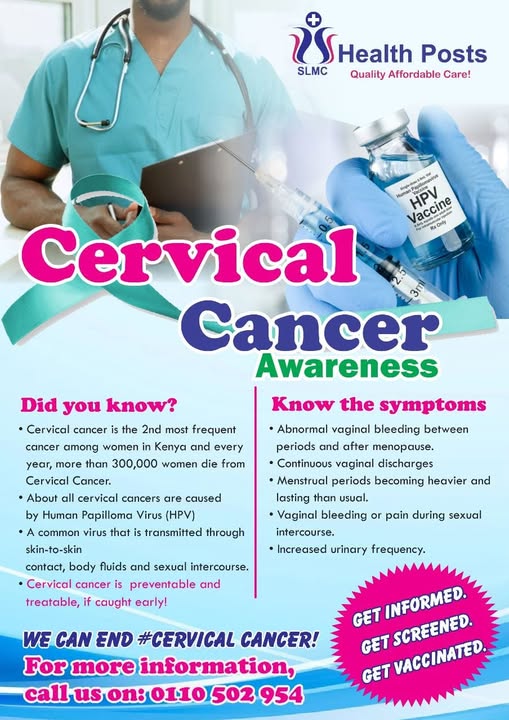
Cervical cancer remains one of the most preventable yet deadly cancers affecting women globally. Awareness, early detection, and proper care can save countless lives. Here’s what you need to know to stay informed and empowered.What Is Cervical Cancer?
Cervical cancer occurs in the cells of the cervix—the lower part of the uterus that connects to the vagina. It often develops slowly over time, starting with precancerous changes that may not cause symptoms.
Causes and Risk Factors
The primary cause of cervical cancer is the Human Papillomavirus (HPV), a common sexually transmitted infection. Other risk factors include:
-
- Early sexual activity
-
- Multiple sexual partners
-
- Smoking
-
- A weakened immune system
-
- Long-term use of birth control pills
Signs and Symptoms
In its early stages, cervical cancer may not show symptoms. As it progresses, common signs include:
-
- Abnormal vaginal bleeding (after intercourse, between periods, or after menopause)
-
- Pelvic pain
-
- Pain during intercourse
-
- Unusual vaginal discharge
Prevention and Early Detection
Prevention is key. Here’s how you can reduce your risk:
-
- Get the HPV Vaccine: It protects against the most dangerous strains of HPV.
-
- Regular Screenings: Pap smears and HPV tests can detect early changes.
-
- Practice Safe Sex: Use protection and limit sexual partners.
-
- Avoid Smoking: Smoking weakens the immune system, making it harder to fight HPV.
Importance of Regular Check-ups
Routine gynecological exams can help detect issues early. Early detection significantly improves treatment outcomes and can prevent cancer from developing altogether.
Living with Cervical Cancer
If diagnosed, treatment options may include surgery, radiation, and chemotherapy. Emotional support, proper nutrition, and a strong medical team are vital to recovery.
Support and Advocacy
Join the global movement for cervical cancer awareness. Educate others, support survivors, and advocate for better access to vaccines and screenings—especially in underserved communities.
Conclusion
Cervical cancer is largely preventable and treatable when caught early. Knowledge is power. Share this awareness, get screened, and encourage the women around you to take charge of their health.